
Global Energy Markets Reel Amid Iran Conflict
Brig. Gen. Ebrahim Jabbari, a senior adviser to Iran's Revolutionary Guard Corps commander-in-chief, announced the closure of the Strait of Hormuz to all maritime traffic on March 2, following the Feb. 28 strikes, warning that any vessel or oil tanker passing through the waterway would be targeted. The move sent shockwaves through an already rattled energy market, amplifying fears over supply disruption across major global economies.
US Secretary of State Marco Rubio warned that Iran poses an immediate threat to both Washington and Tel Aviv, signaling the conflict is far from its peak — stating that the American military has yet to make its strongest move. Washington is also weighing emergency measures to cushion domestic consumers from spiraling energy costs driven by the global price spike.
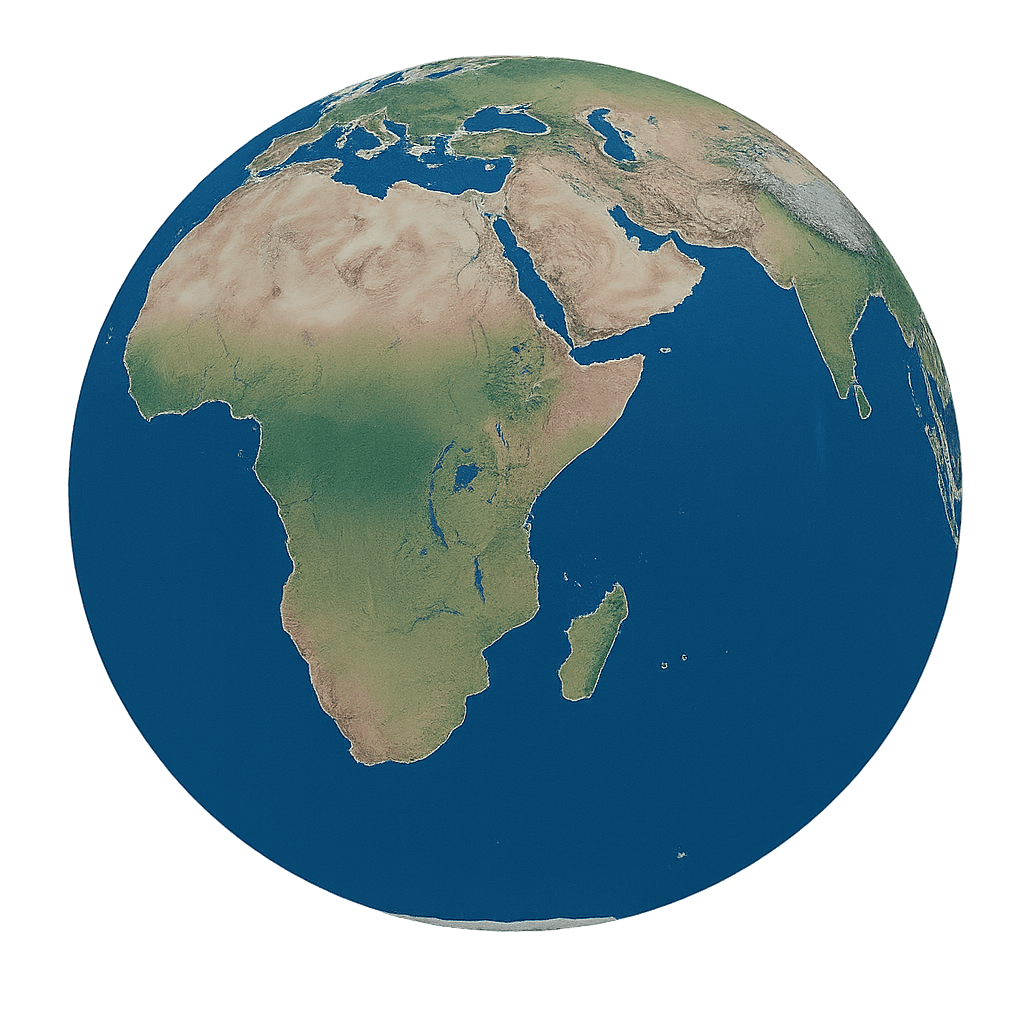
The stakes could hardly be higher. The Strait of Hormuz — a narrow but irreplaceable corridor linking the Persian Gulf to the Arabian Sea and Indian Ocean — handles roughly 20 million barrels of oil and petroleum products daily, accounting for nearly one-third of all crude transported by sea. Major producers including Saudi Arabia, the United Arab Emirates, Kuwait, Iraq, and Qatar funnel exports through the passage, while energy-hungry economies across Europe and Asia — among them China, India, Japan, and South Korea — depend on it for critical import flows.
Tehran's retaliation has already drawn blood from regional energy infrastructure. Drone strikes hit Saudi Aramco facilities in Ras Tanura in eastern Saudi Arabia, while state-owned QatarEnergy reportedly suspended production at its major liquefied natural gas complex in Ras Laffan following separate drone attacks earlier this week.
The cumulative impact of the Hormuz closure, infrastructure strikes, and deepening geopolitical uncertainty has tightened energy markets considerably — raising alarms among economists over renewed inflationary pressures and forcing a potential reassessment of the Federal Reserve's monetary policy trajectory.
Legal Disclaimer:
MENAFN provides the
information “as is” without warranty of any kind. We do not accept
any responsibility or liability for the accuracy, content, images,
videos, licenses, completeness, legality, or reliability of the information
contained in this article. If you have any complaints or copyright
issues related to this article, kindly contact the provider above.
Legal Disclaimer:
EIN Presswire provides this news content "as is" without warranty of any kind. We do not accept any responsibility or liability for the accuracy, content, images, videos, licenses, completeness, legality, or reliability of the information contained in this article. If you have any complaints or copyright issues related to this article, kindly contact the author above.
