

AES Regulations Set New Compliance Expectations - Integrated Systems and Technology Position Operators for Transition
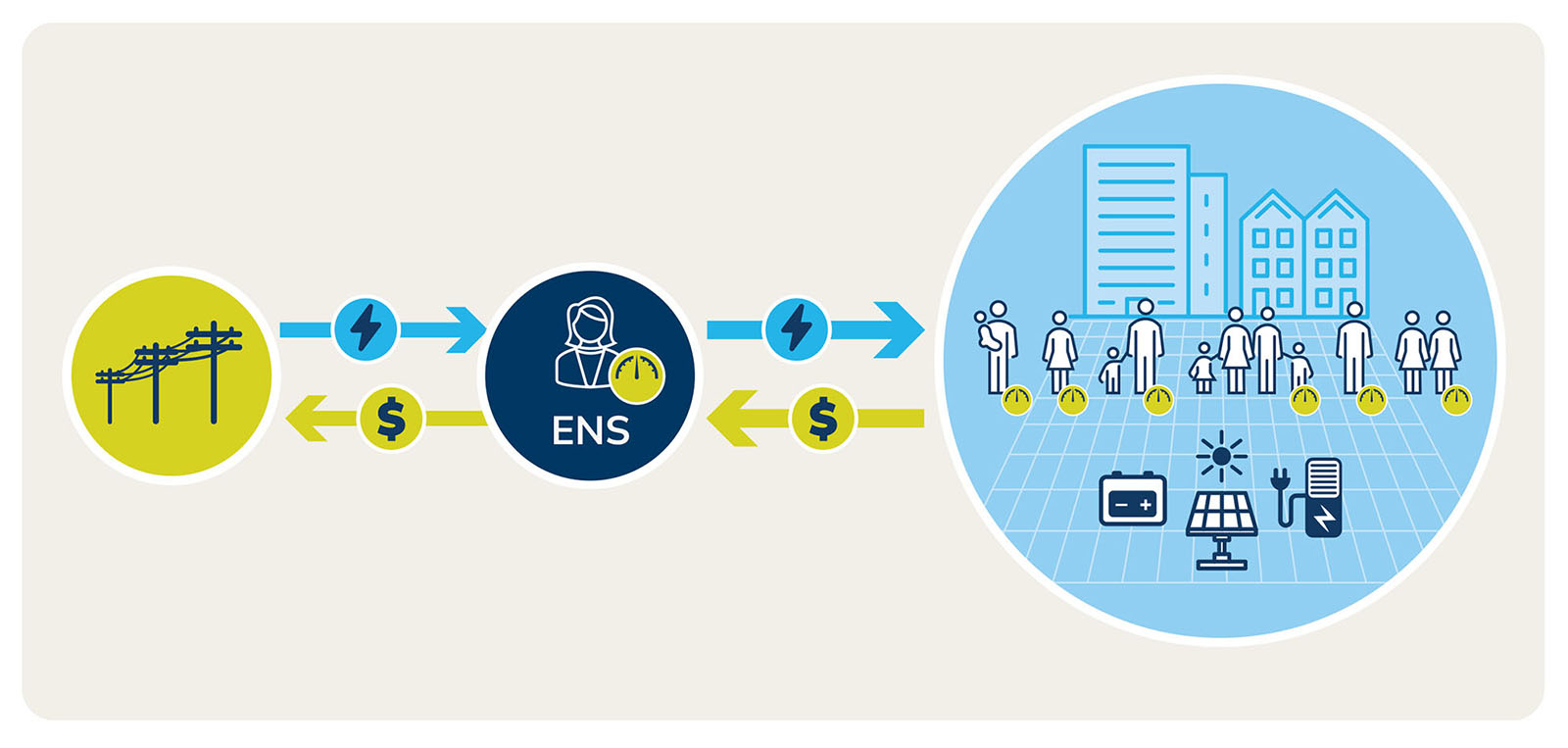
As WA's AES framework moves to regulation, operators across a wide range of facilities are beginning to assess what it means for their day-to-day operations.
PERTH, WA, AUSTRALIA, April 5, 2026 /EINPresswire.com/ -- As Western Australia's Alternative Electricity Services (AES) framework moves from policy to regulation, operators across a wide range of sectors are beginning to assess what formal compliance will mean for their day-to-day operations. With AES registration expected to open in the second half of 2026, Climate Change Response (CCR) is helping organisations across residential, retirement, commercial, mixed-use and education sectors understand their obligations and deliver the integrated digital platforms and AI-enabled analytics to meet them.The draft AES prescribing regulations will impose registration and compliance obligations on operators of Single Property Networks (SPNs), previously known as embedded networks, across a range of settings that have historically operated outside traditional electricity licensing requirements.
Residential Apartment Developments face some of the most visible compliance obligations under the new framework. Operators of embedded networks within strata-titled and build-to-rent developments will be required to demonstrate transparent billing practices, fair pricing structures and clear dispute resolution pathways. For developers and owners corporations managing multiple buildings, this introduces the need for centralised compliance monitoring across a portfolio of assets.
Retirement Villages present a particularly sensitive compliance environment. Residents in these communities are often among the most vulnerable electricity consumers, and the AES framework's consumer protection provisions are expected to place heightened obligations on village operators to ensure billing clarity, metering accuracy and accessible communications. Operators will need to demonstrate not only regulatory compliance but genuine governance maturity.
Public Facilities (Local Governments), Commercial Precincts and Industrial Parks operating shared electricity infrastructure across tenanted buildings will need to navigate cost allocation, sub-metering transparency and landlord-tenant billing arrangements within the new Code of Practice. Where precinct-level renewable generation or battery storage is integrated into the network, additional complexity will arise in ensuring AES-compliant treatment of those energy flows.
Mixed-Use Developments, combining residential, retail and commercial uses within a single embedded network, face multi-layered compliance requirements that span consumer categories and metering configurations. Operators of these assets will need to ensure their network governance, billing systems and reporting frameworks can accommodate the different obligations that apply across their tenant and resident base.
University Campuses and Large Education Institutions often operate extensive on-site electricity infrastructure that has functioned under licensing exemptions. Under AES, these institutions will need to formally register as SPN operators and align their internal energy management and billing systems with the new Code of Practice, a significant governance uplift for campuses with complex metering hierarchies and multiple supply points.
CCR supports organisations across the full compliance lifecycle, from initial regulatory exposure assessment and governance framework design through to system implementation, AES registration and ongoing operational compliance. This end-to-end advisory capability means operators are not required to piece together disconnected workstreams across multiple advisors. CCR works with clients to map their current embedded network arrangements against AES requirements, identify gaps, develop a structured remediation pathway, and build the internal capability needed to sustain compliance beyond registration.
Underpinning this advisory offer, CCR has developed integrated digital platforms and AI-enabled analytics specifically designed to support organisations managing the compliance, governance and operational demands of decentralised electricity systems, including embedded networks transitioning to AES registration. Rather than requiring operators to adapt generic software tools to a specialist regulatory context, CCR's platforms are purpose-built around the obligations the AES framework introduces, and are configurable to the specific network configurations, consumer profiles and portfolio structures of each operator.
CCR's platform capabilities are structured around the key compliance obligations the AES framework introduces:
Regulatory Compliance Monitoring - CCR's platforms provide operators with continuous, automated monitoring of compliance posture against Code of Practice obligations, encompassing billing transparency requirements, pricing structures and consumer protection standards. Real-time dashboards surface emerging compliance gaps before they escalate, giving operators the visibility to act early and maintain a defensible compliance position with the Economic Regulation Authority.
Governance Frameworks and Audit Trails - The AES framework requires operators to demonstrate genuine governance maturity, not simply point-in-time compliance. CCR's integrated systems support the design and implementation of governance frameworks appropriate to each operator's sector and network complexity, and maintain structured, time-stamped audit trails that support both internal oversight and external regulatory reporting. For operators undergoing AES registration for the first time, this documented governance record is a foundational requirement.
Metering and Billing Analytics - Accurate metering and transparent billing sit at the heart of the Code of Practice obligations. CCR's AI-enabled analytics tools validate metering data continuously, detect billing anomalies and ensure accurate cost allocation across complex network configurations, including multi-tenanted commercial precincts, mixed-use developments and residential portfolios where billing errors can expose operators to both regulatory and reputational risk. These tools significantly reduce the manual effort previously required to assure metering and billing accuracy at scale.
Regulatory Reporting and Registration Support - CCR's platforms support the structured data collection, documentation and reporting required for AES registration submissions and ongoing regulatory reporting to the Economic Regulation Authority. By automating the aggregation and formatting of compliance data, the platforms materially reduce the internal resource burden on operators navigating the registration process, particularly for organisations without dedicated regulatory teams.
Portfolio-Level Oversight - For organisations managing embedded networks across multiple assets, including property developers, fund managers and precinct operators, CCR's platforms provide consolidated compliance visibility across an entire portfolio. Rather than managing regulatory exposure site by site, operators gain a single, integrated view of compliance status, metering performance and governance obligations across all assets, enabling more efficient allocation of compliance resources and earlier identification of portfolio-wide risk.
Vinod Tiwari, Partner-Energy Markets at Climate Change Response, said the diversity of sectors affected by AES underscores the importance of early preparation. "The AES framework is not a single-size obligation," Mr Tiwari said. "What compliance looks like for a retirement village operator is genuinely different from what it looks like for a university campus or a mixed-use precinct. The sectors share the same registration deadline, but the governance uplift, billing complexity and operational changes each will need to work through are distinct."
Mr Tiwari said CCR's approach combines regulatory advisory expertise with purpose-built technology to support operators across sectors. "We have worked with organisations across Western Australia through the voluntary embedded networks code process, and we are now supporting clients through the transition to mandatory AES compliance," he said. "Our platforms are designed to reduce the compliance burden significantly, turning what would otherwise be a substantial manual process into an automated, monitored and reportable function."
With AES registration anticipated to open in the second half of 2026 and mandatory compliance from 2027, CCR is encouraging operators across all affected sectors to begin regulatory readiness assessments now.
CCR is currently supporting organisations and government departments across Western Australia, to assess regulatory exposure, strengthen governance frameworks and prepare operational systems for AES compliance.
John Tedesco
Climate Change Response Pty. Ltd.
+61 414 327 330
email us here
Visit us on social media:
YouTube
Legal Disclaimer:
EIN Presswire provides this news content "as is" without warranty of any kind. We do not accept any responsibility or liability for the accuracy, content, images, videos, licenses, completeness, legality, or reliability of the information contained in this article. If you have any complaints or copyright issues related to this article, kindly contact the author above.
